Discover Contemporary Art in Lille: Philippe Katerine at La Sécu Gallery
We recently had the pleasure of discovering a fascinating exhibition at the Contemporary Art Gallery La Sécu, located in the dynamic neighborhood of Lille Fives. This exhibition highlights the drawings and repurposed skulls by Philippe Katerine, an artist of many talents. Yes, you read that right, the singer also proves to be a drawer, painter, and even a bit of a sculptor in his own way.
While strolling through the streets of Lille, you may have come across his famous pink figures, installed as part of Lille3000. To us, they look like bubblegum men, adding a touch of color and whimsy to our city.
La Sécu Gallery is located just 300 meters from the future Maison Folia, which, by the way, will soon be changing its name. But don’t worry, we’ll tell you all about it very soon!
The Fives neighborhood, and more particularly the Fives Cail project, is buzzing with activity. Between exhibitions, galleries, and artists’ workshops, there’s a real creative energy that makes you want to settle down and unpack your bags.
Whether you’re passing through or a resident, don’t miss the opportunity to discover the cultural riches of Lille Fives. We really can’t wait to show you even more.
To learn more about this exhibition and follow our news, visit our Facebook page: here.
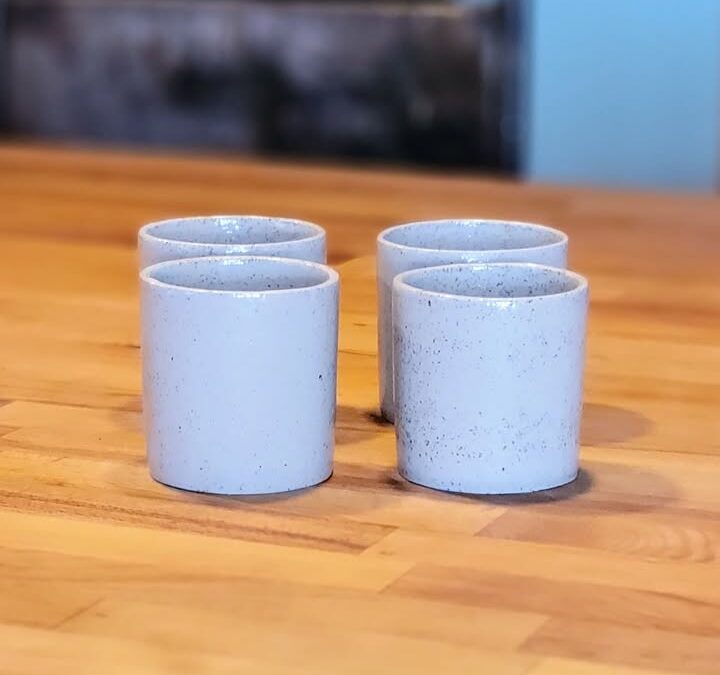
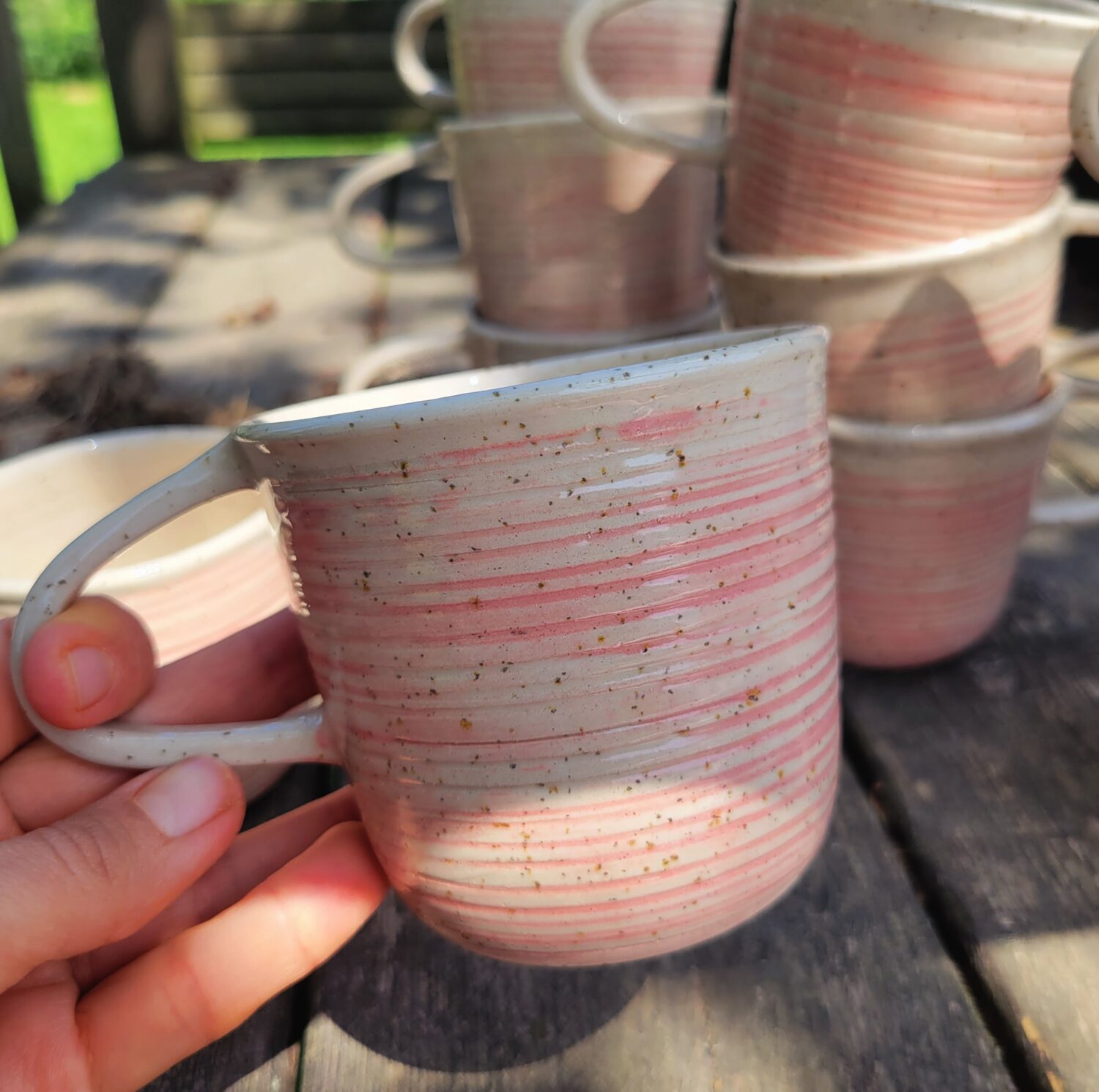
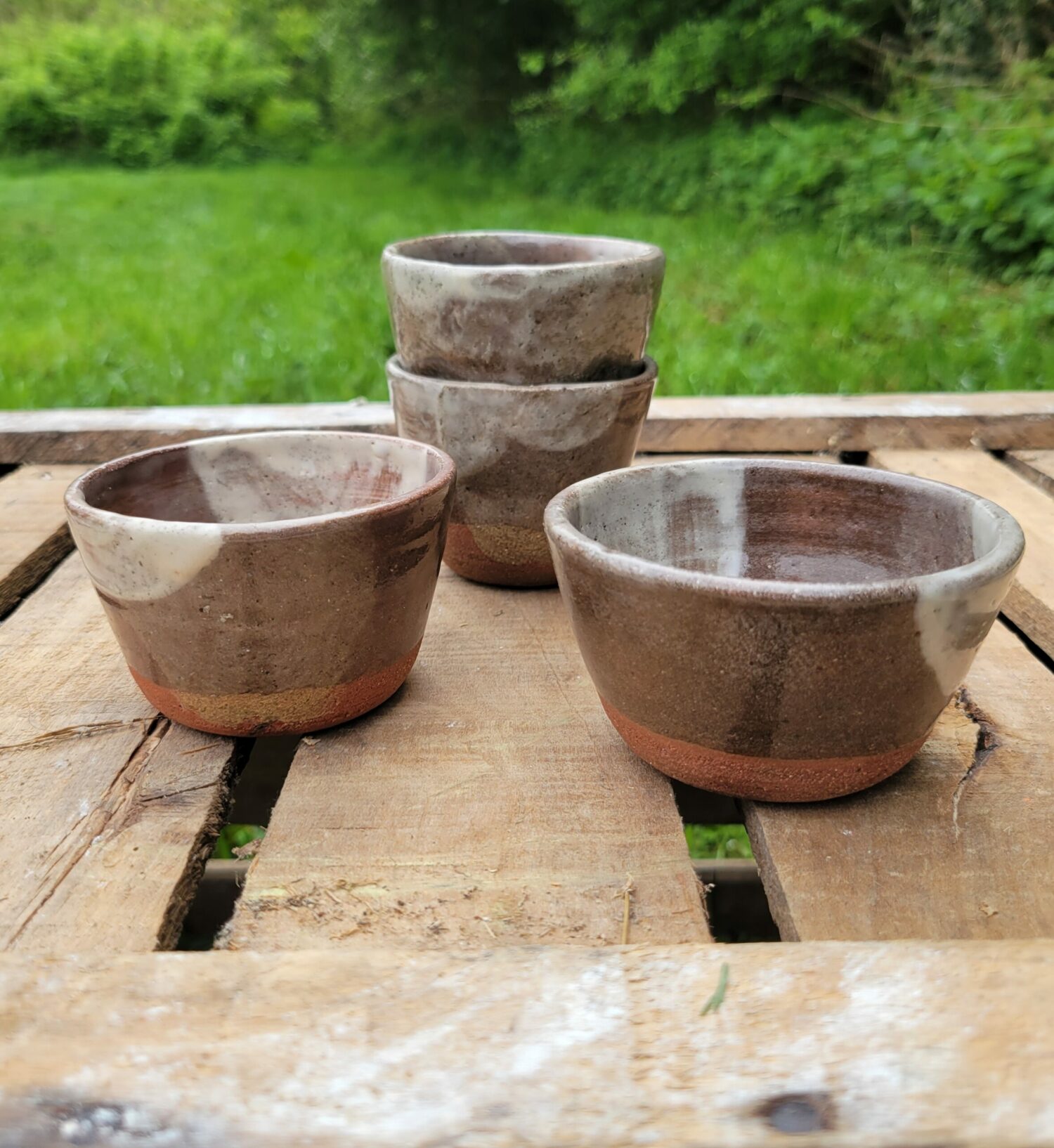
Today, we’d like to tell you about our magnificent “COLONNE” cup set. Made from white stoneware, these cups are delicately speckled with pyrite flecks, adding a touch of originality. Each cup is an invitation to savor everyday moments, whether it’s for an invigorating morning coffee or to accompany a dessert at the end of the day.
A Simple and Elegant Design We particularly appreciate the simplicity and elegance of these cups. Their sleek design integrates perfectly into our universe at La Maison Fives, where each piece is carefully designed to enrich your experience.
In our ceramic workshop-boutique, we showcase handcrafted creations that reflect our passion for craftsmanship and design. These “COLONNE” cups are a perfect example of our commitment to offering unique, quality pieces that harmonize with the spirit of our guest house in Lille Fives Cail.
To Learn More We invite you to discover these cups and add them to your tableware collection. They are ideal for brightening up your moments of conviviality.
If you’d like to see them up close, don’t hesitate to visit our online shop: set of 4 “COLONNE” cups.
We hope to see you soon at La Maison Fives, where every visit is a new adventure!
To read more and follow us on social media, visit us here: Facebook
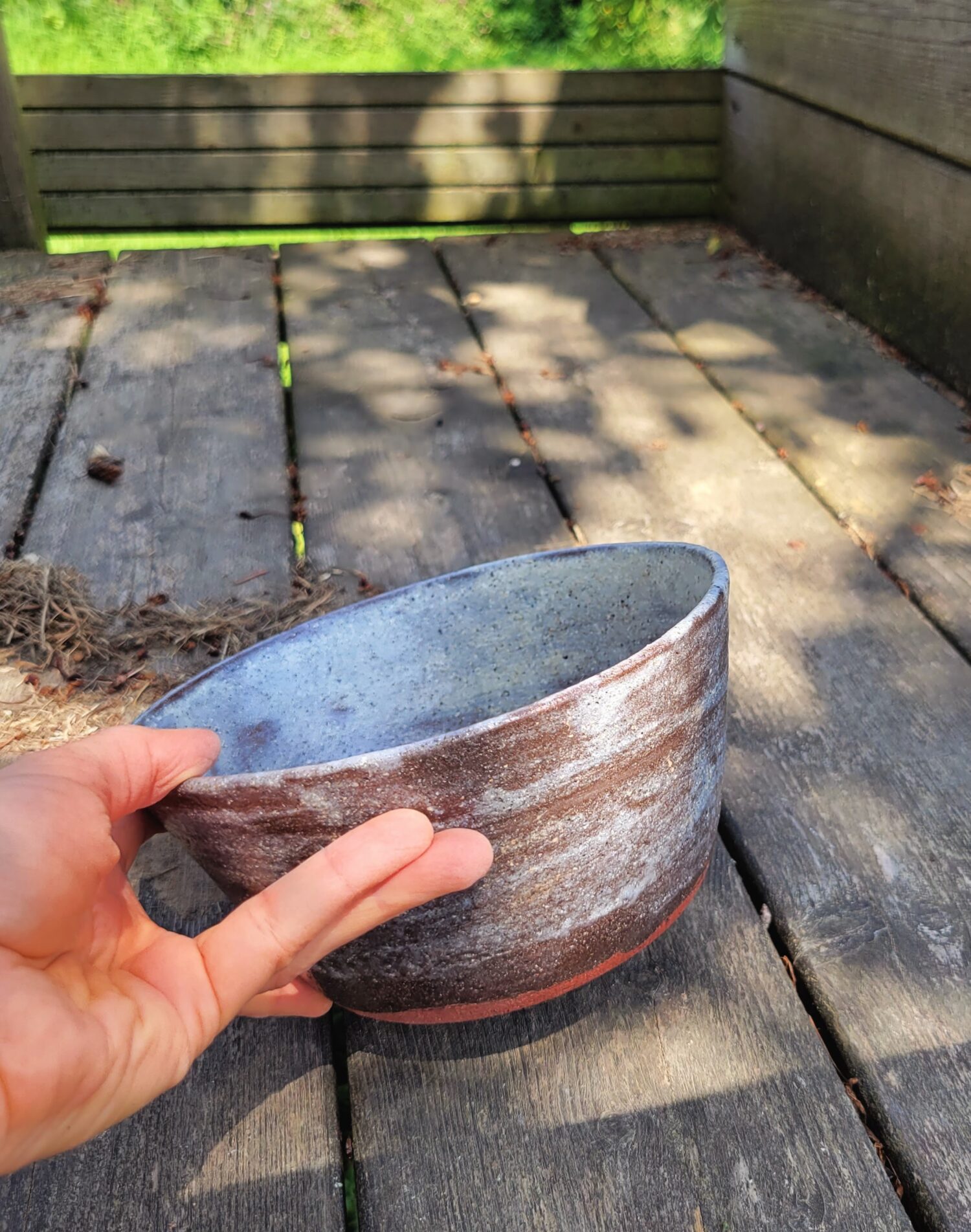
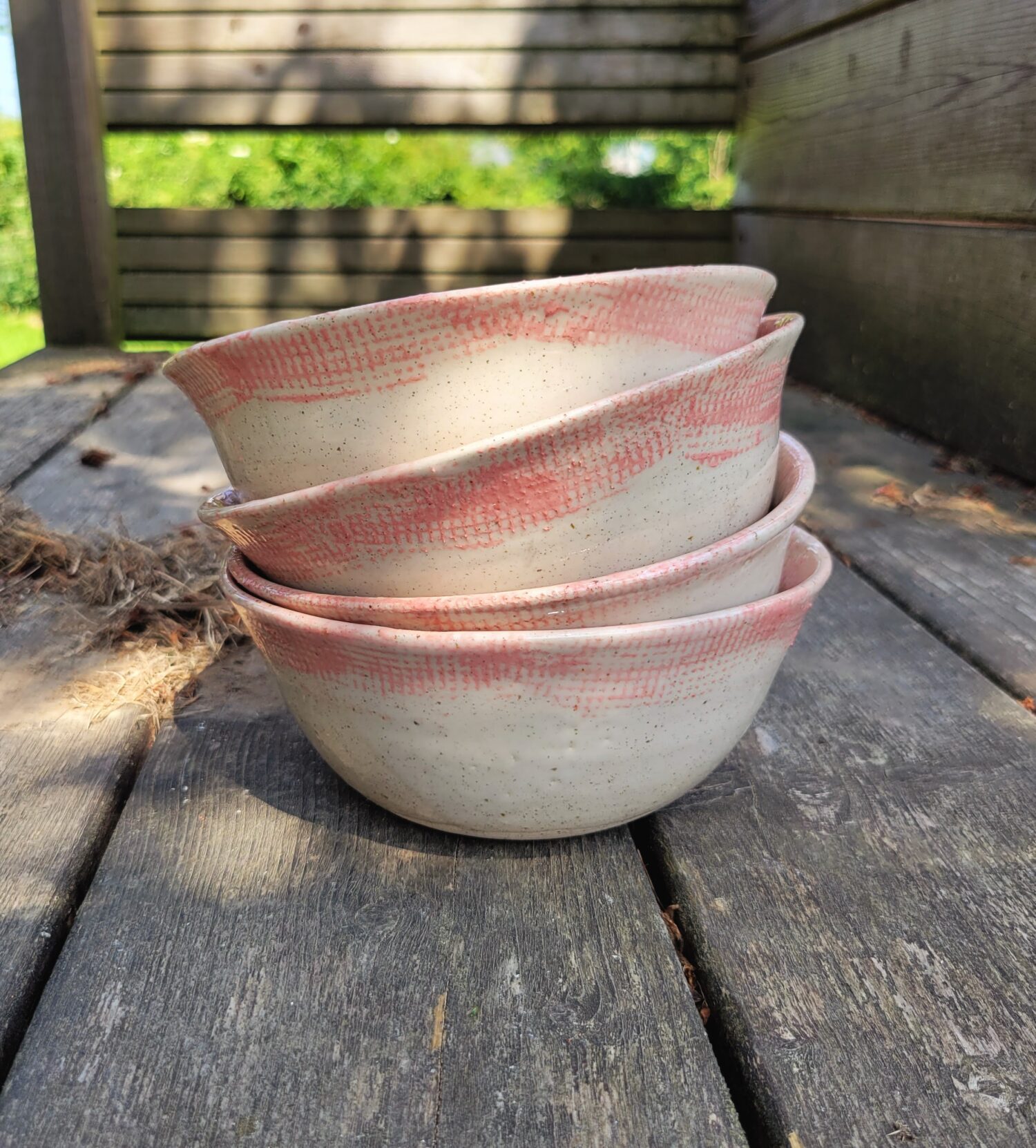
Discovering Our “POÉSIE” Bowls in Pyrite Stoneware
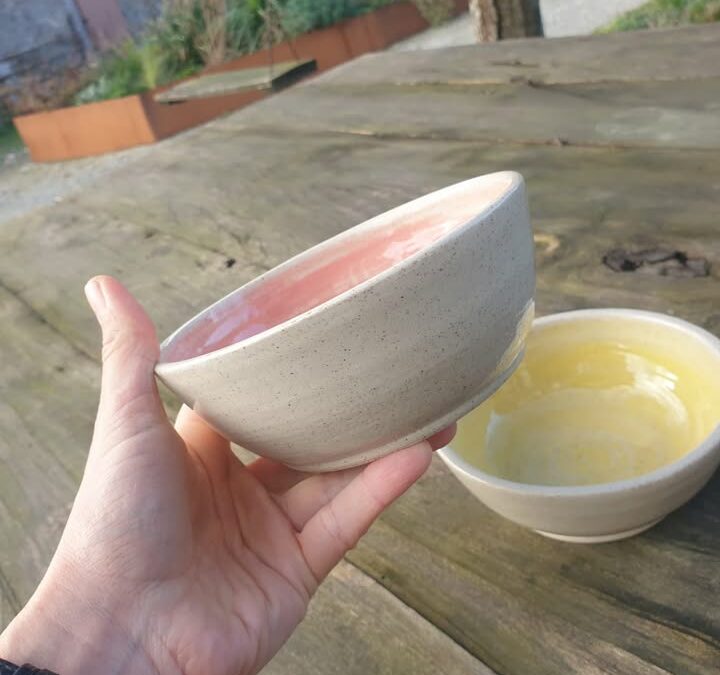
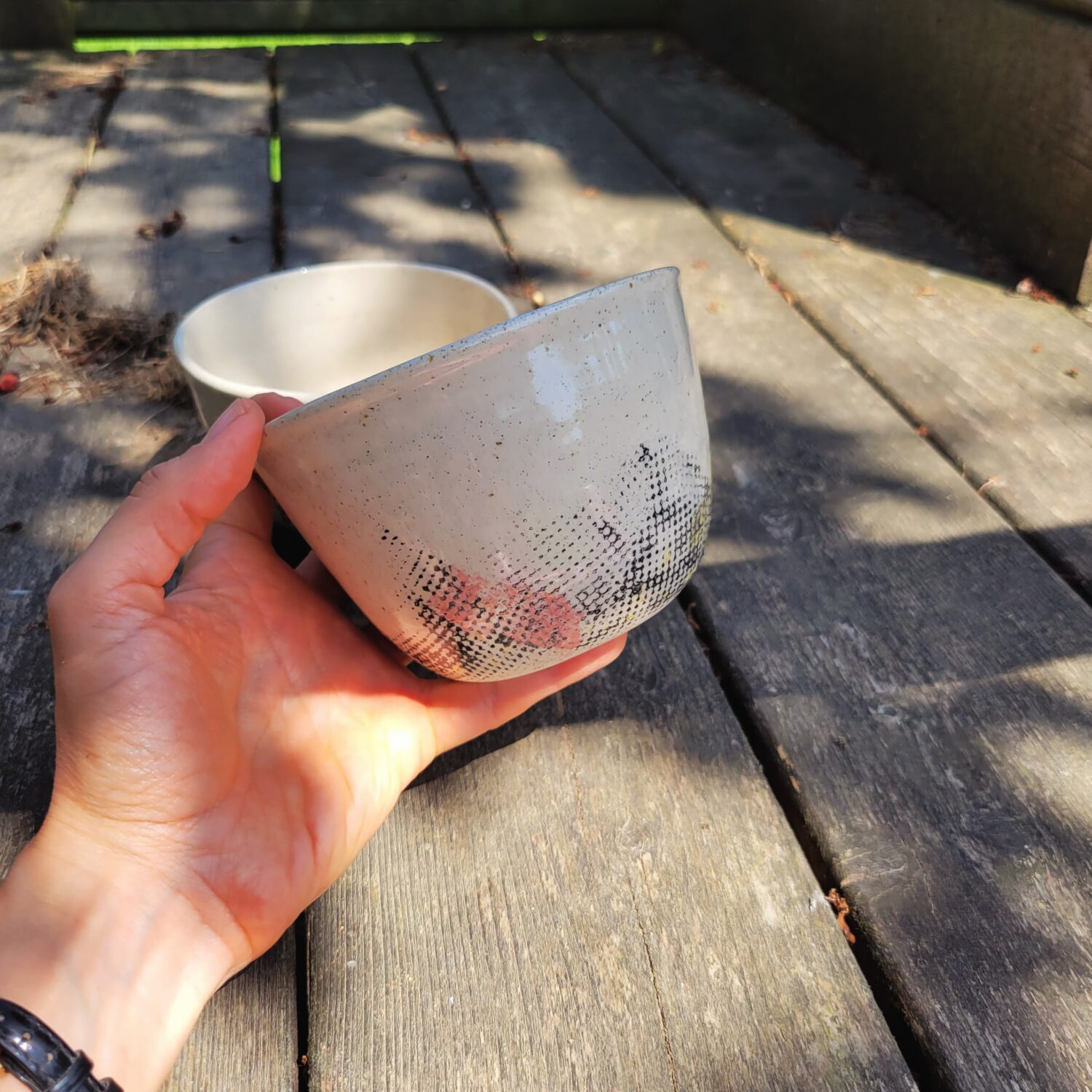
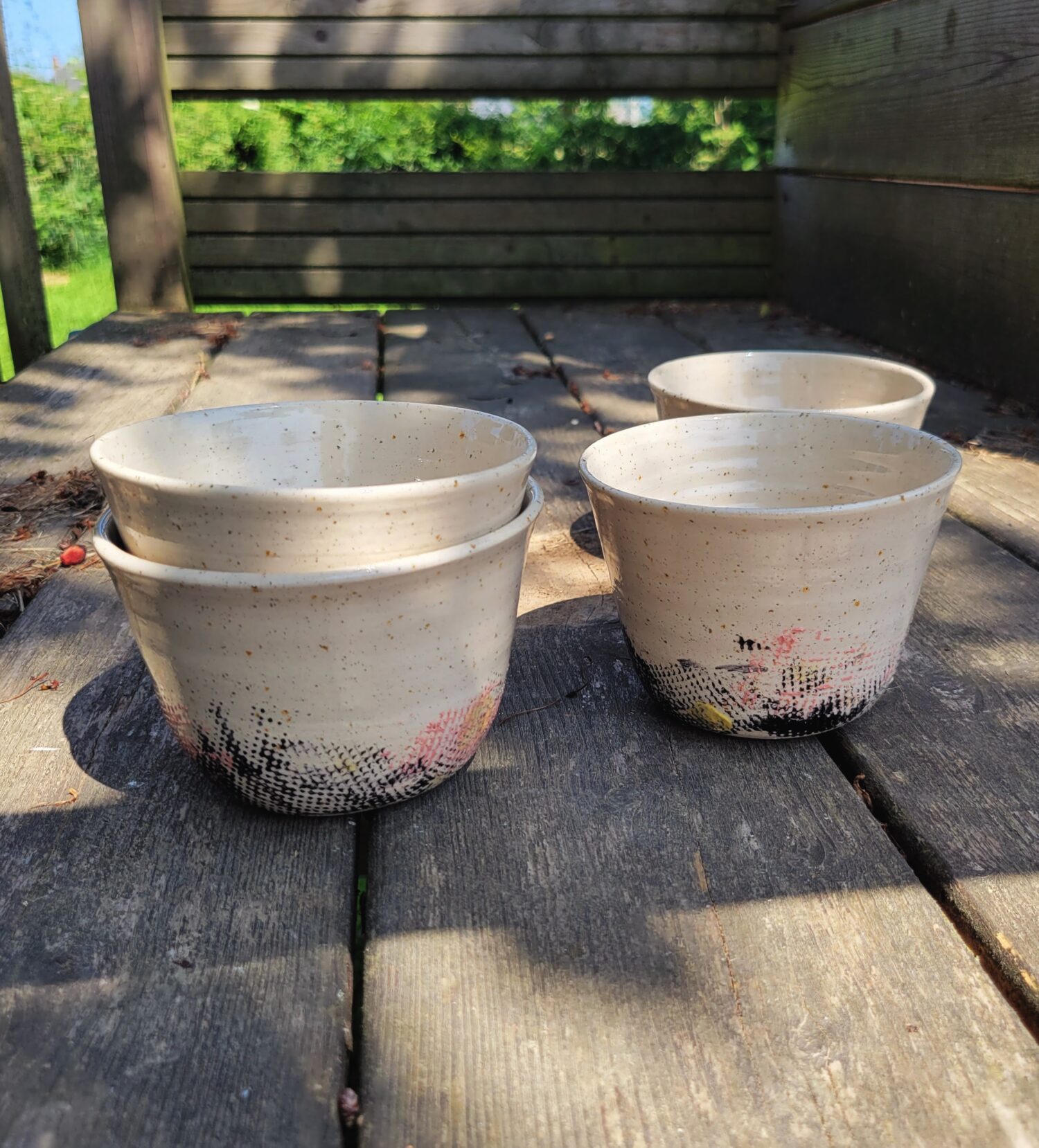
Today, we’d like to share with you a piece that’s particularly close to our hearts: our POÉSIE “POÉSIE” bowls in pyrite stoneware. Each bowl is a true work of art, telling a story through its soft and poetic hues. These artisanal creations are perfect for savoring a meal or simply enjoying a moment of relaxation.
Handmade Craftsmanship in Lille
In our ceramic workshop-boutique, located within La Maison Fives in Lille, each piece is carefully crafted, reflecting our passion for artisanship. By choosing our bowls, you’re not just acquiring a decorative object, but participating in a creative adventure that values handmade work and unique design.
An Invitation to Serenity
Our “POÉSIE” bowls are designed to bring a touch of softness to your daily life. Whether for presenting delicious dishes or creating a soothing atmosphere during your moments of relaxation, they will blend seamlessly into your interior decor.
Come Discover Them
We invite you to come and discover these bowls and many other creations in our gallery. Each piece you’ll find there is an invitation to explore the world of ceramics and local craftsmanship. Don’t hesitate to visit us at La Maison Fives, a place that combines hospitality and creativity in the heart of the transforming neighborhood of Lille Fives Cail.
To learn more about our POÉSIE “POÉSIE” bowls and follow our news, visit our Facebook page: link to Facebook post.
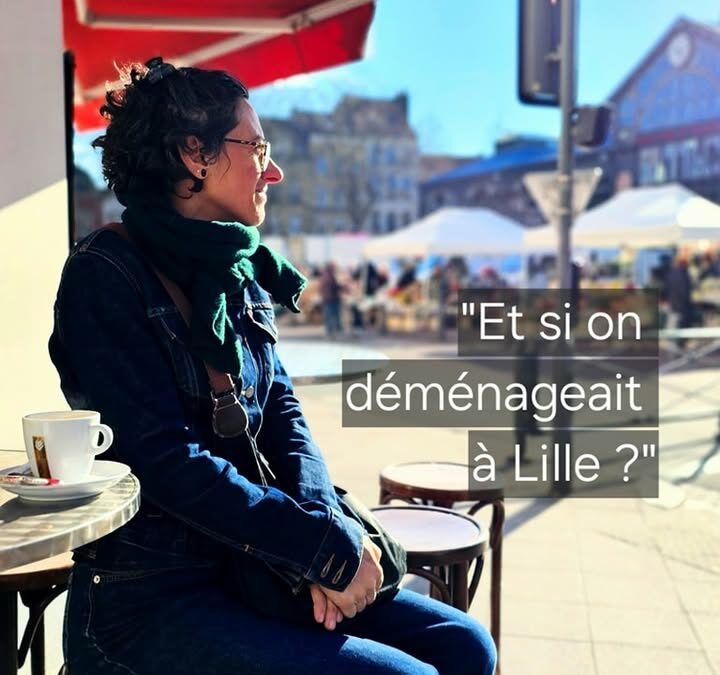
A café, on a Thursday morning in Wazemmes, Lille. Soula, sitting in the sun in front of the Halles, watches the lively market. She turns to me and says, “What if we moved La Maison Folia to Lille?”
Today, we’re still in Normandy, but our minds are already settling into the idea. Imagining La Maison Folia here, in the heart of Lille, in this neighborhood that’s undergoing such transformation, fills us with excitement.
A Journey Back to Our Roots
We spent many years living elsewhere—between Brussels, Canada, and Normandy. Our travels through Greece, Europe, South America, and the United States have fueled our curiosity. We wanted our children to grow up with that same diversity, for the unknown to become second nature to them.
But over time, the desire to return to our roots grew stronger. The North, Belgium, family and friends are calling us back. And Lille has won us over once again—more beautiful, greener, more vibrant. As we walked its streets, we rediscovered its charm.
The Choice of the City
We’ve decided to leave Normandy and bring La Maison Folia to Lille, while staying true to the spirit that drives us. The guest rooms, the ceramics, the artistic creations take on a new dimension here, in this city that inspires us so deeply.
Our children, too, feel the pull of the city. While we’ve enjoyed the wide open beaches, living between Paris, Brussels, and London now feels right for us. This urban way of life speaks to us.
A New Way of Life
In the countryside, we imagine a simpler life—but the reality is often different: long drives, breakdowns, and a hectic pace. In the city, we walk, we cycle, we wander. It’s a way of life that feels more natural, more straightforward, despite its paradoxes.
So, it’s decided. La Maison Folia is heading back to the North. We’re settling in Lille and writing a new chapter in our story—a chapter filled with connection, creativity, and sharing.
To follow our journey and discover our projects, feel free to read more on our Facebook page: La Maison Fives on Facebook.
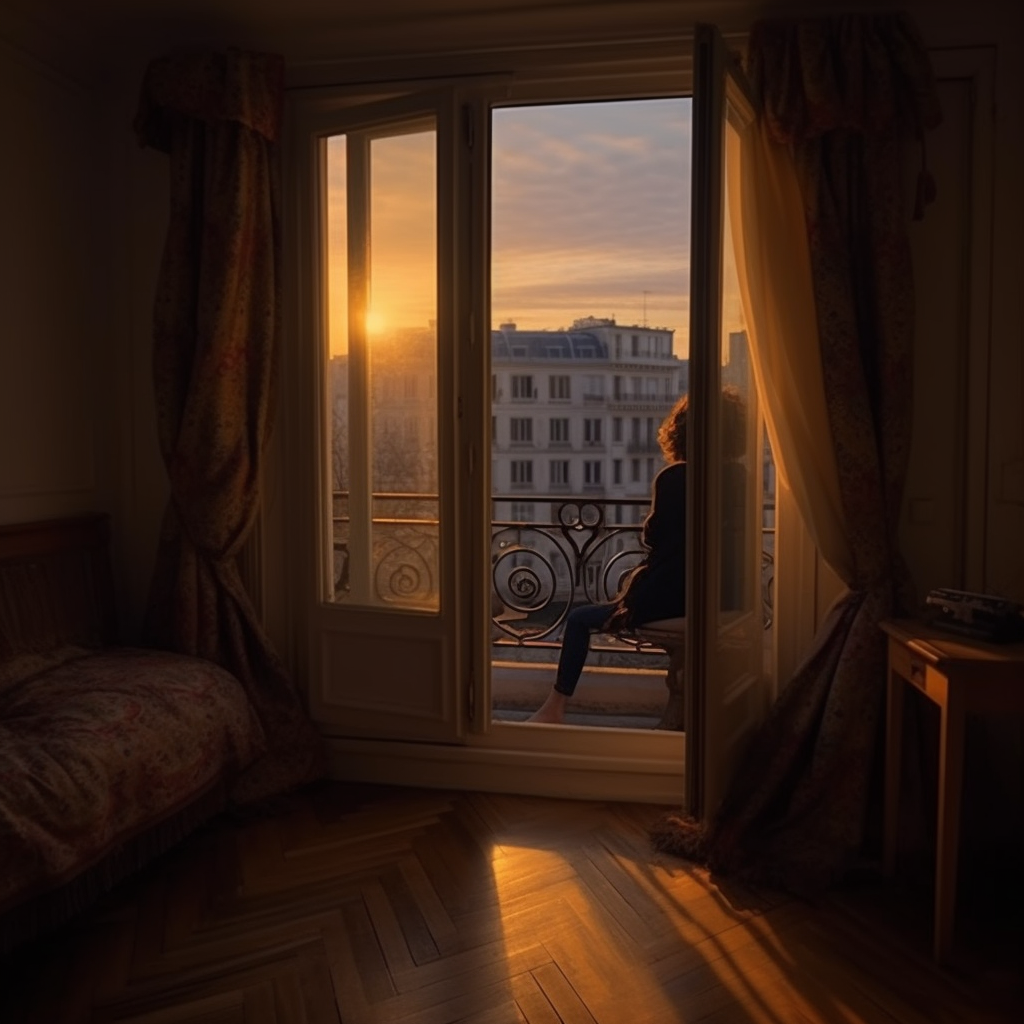
“There it is, tiny but essential. My everyday lock. The cold steel of the key against my skin, the chirping of sparrows in the alley, the aroma of croissants from the neighboring bakery; everything comes together as I prepare to open.
A slight resistance, as if testing me, reminding me that it’s not a given. We usually pay so little “attention to it, and yet. The” moment is suspended.
I think back to my grandfather. The creaky lock of his house in Normandy, his laughter when I struggled to tame it. The sensation of the grooves of that key, immense and solemn, under my childish fingers. The “smell of rain on the” grass, the scent of bygone days.
Mine doesn’t have that romanticism. It’s more discreet, more modern. I feel the subtle click, the metallic dance. The cylinder turns, the gears align.
A final click. And in this click, there’s my grandfather, there’s Normandy, there are the croissants. But also, there’s the lock of my first apartment, pride mixed with anxiety, the taste of independence. There’s the hotel room lock, the excitement of an unknown elsewhere.
The door cracks open, a fraction of a second where all locks greet each other, recognize each other in their clicks and their silences, in their smells and their memories.
I remove the key. It’s a perfect harmony.”
Critique of “the Perfect Harmony”: between Inspiration and Co-creation, where is the Boundary?
“The Perfect Harmony”, inspired by the short story and collection of short stories “The First Sip of Beer” by Philippe Delerm, is a story that piques curiosity by its genesis. It stands as the fruit of a collaboration between Benoît Milan, Philippe Delerm, and artificial intelligence. The AI’s participation in this creative process raises questions about the nature of the work and its authorship.
First of “all, it’s important to define the notion of creation in this hybrid context. Has artificial intelligence, guided by Benoît Milan’s instructions and fed by Philippe Delerm’s style, truly participated as a co-creator? According to Benoît Milan, if the” AI follows precise directives, it should be considered more as a sophisticated tool than a collaborator. This perspective aligns with the use of software such as Adobe Premiere or Pro Tools. These, despite the complexity of calculations performed, are not recognized as co-authors.
Next, the role of the spectator is crucial. It’s often through the lens of the public that the value of a work is appreciated. In the “era of” AI, this perception is put to the “test. Would the” authenticity and “emotion felt by the reader when reading “The” Perfect Harmony” be altered if “they knew that the pen is partly non-human? These questions are highlighted in” Benoît Milan’s article titled ” What Makes a Work of Art? The Spectator, the Artist, or the Work Itself? “, emphasizing the importance of the dialogue between the “work, the” artist, and the spectator.
Finally, a major issue that deserves reflection is that of compensation for artists and all creators in all fields. In a landscape where “AI can contribute to creation, it is crucial to” ensure fair recognition and compensation for human artists. This ethical and practical challenge highlights the need to “balance the free circulation of works with financial support for artists, so they can continue to contribute to culture. Read the article on ‘The’ Shared Essence of Knowledge in the ‘Era of’ AI: A Reflection on Intellectual Property and Beyond”
In conclusion, “”The ‘Perfect Harmony”’ raises essential questions about co-creation, intellectual property, and the value of art and any other creation in the age of artificial intelligence. This calls for collective reflection on how technology can” be integrated ethically and respectfully into the creative process, without eclipsing or diminishing the contribution of human creators.